 Skip to content
Architectural Facade: Types, Materials and Design Guide
An architectural facade is one of the most important parts of any building. It shapes first impressions, supports weather protection, and contributes to long-term performance. In modern construction, the right architectural facade must balance appearance, durability, installation efficiency, and maintenance needs. For projects that require design flexibility and precision manufacturing, architectural precast can be a strong solution.
At APS Precast, facade systems are closely tied to design intent, structural requirements, and finish selection. If you are evaluating exterior systems for a commercial, institutional, or mixed-use project, it also helps to review our services, precast concrete finishes, and project portfolio to see how different exterior applications come together in real projects.
What is an architectural facade?
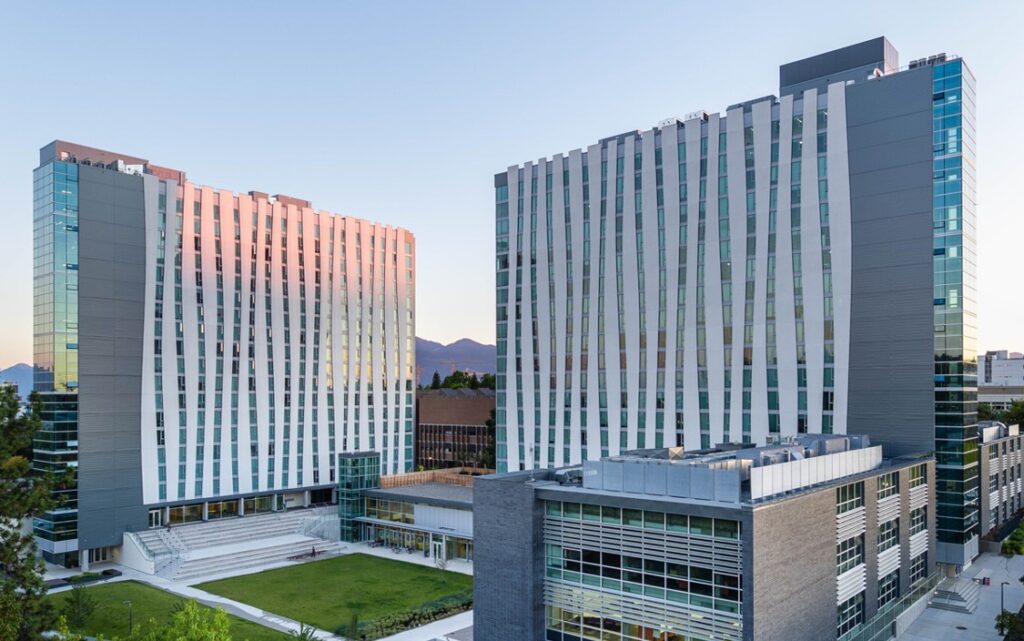
An architectural facade is the visible exterior face of a building. In practice, it is more than the front elevation. It is part of the building envelope and plays a major role in aesthetics, weather resistance, thermal performance, and long-term durability.
A well-designed architectural facade can help with:
• visual identity
• moisture and weather protection
• thermal performance
• daylight control
• acoustic performance
• durability and maintenance planning
For teams comparing systems and product capabilities, our precast concrete products catalog provides a broader look at available architectural and structural solutions.
Why an architectural facade matters in modern construction
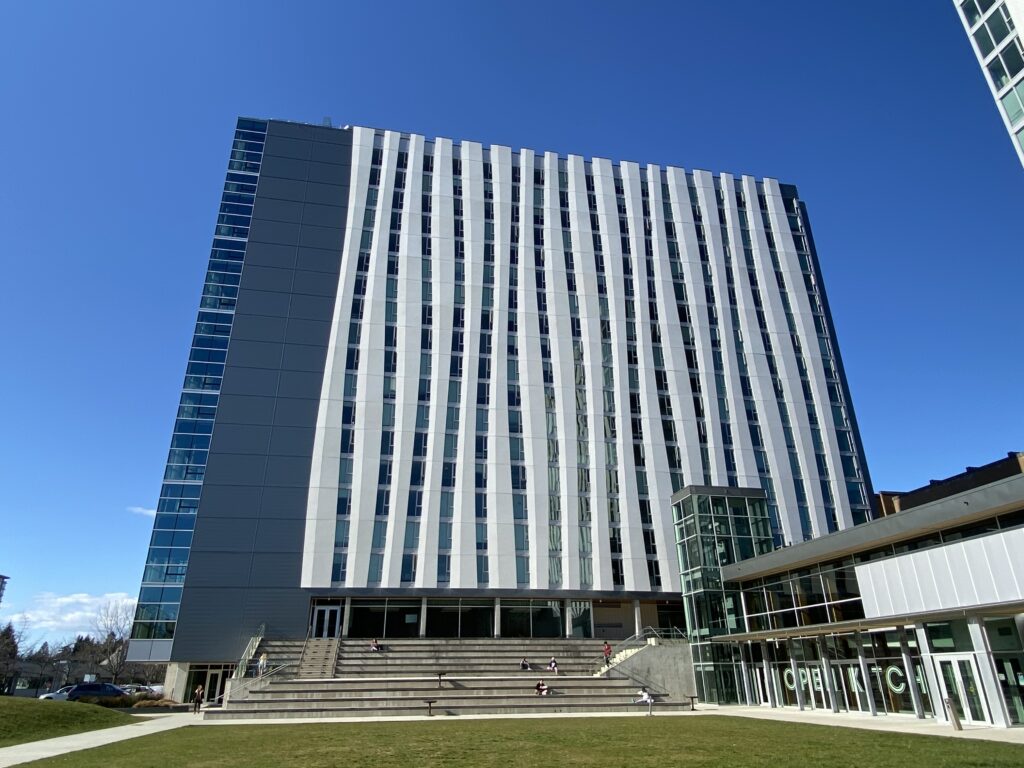
An architectural facade affects both design and performance. It gives a building its character, but it also helps control how the structure responds to wind, rain, sunlight, and temperature changes. That is why facade decisions should be made early and in coordination with the architect, engineer, and manufacturer.
A strong architectural facade strategy can help a project:
• create a distinct visual identity
• improve lifecycle durability
• support better envelope performance
• reduce maintenance issues over time
• improve construction efficiency with panelized systems
If your project team is still comparing capabilities, you can also learn more about APS Precast and how we support custom architectural and structural precast work.
Architectural facade types used in building design
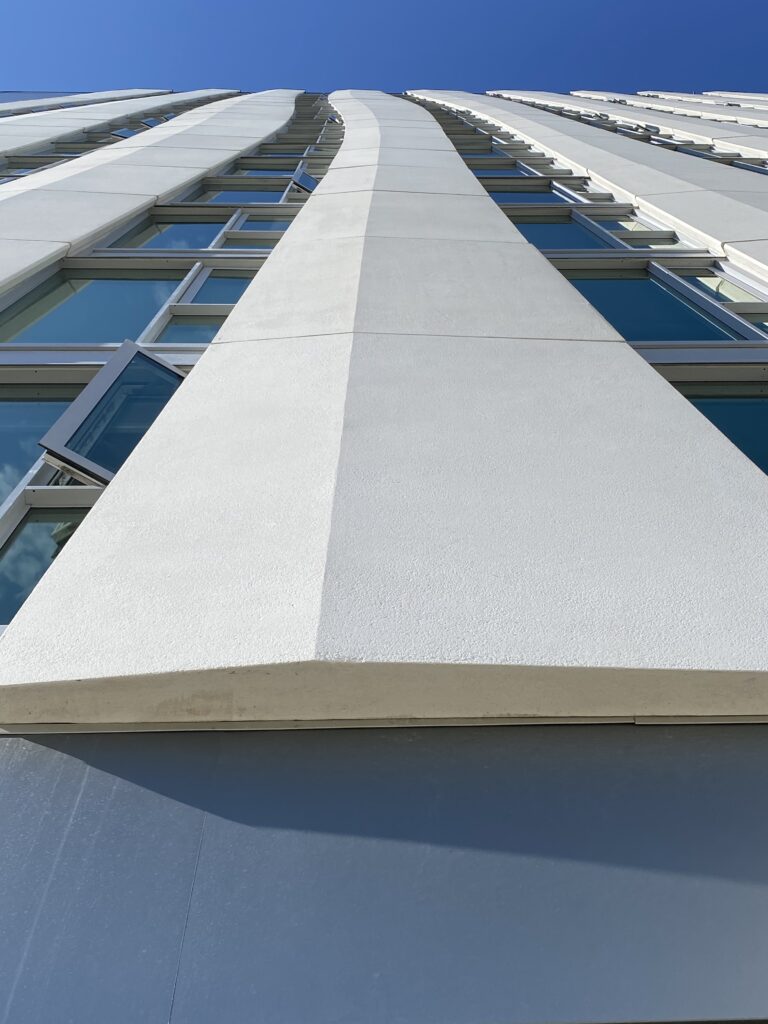
There is no single architectural facade system that works for every project. The best option depends on climate, design goals, structural demands, schedule, and budget.
Architectural facade with glass systems
A glass-based architectural facade is common in offices, institutional buildings, and contemporary commercial projects. It creates a clean appearance and allows for strong daylight penetration, but it also requires careful attention to solar control, thermal performance, and glare.
Architectural facade with brick finishes
Brick remains a popular architectural facade choice because it offers a timeless appearance and long service life. It is frequently used in residential, educational, and civic projects where a more traditional exterior character is preferred.
Architectural facade with metal panels
A metal architectural facade works well for projects that need crisp lines and a contemporary appearance. Metal systems are common in commercial and industrial buildings where modern detailing and lighter cladding assemblies are priorities.
Architectural facade with stone or stone-look finishes
Stone or stone-look systems are often selected when a project requires permanence, texture, and a premium appearance. In some cases, architectural precast is used to achieve a stone-inspired finish with better manufacturing control and installation efficiency. You can explore finish options on our finishes page.
Architectural facade with precast concrete
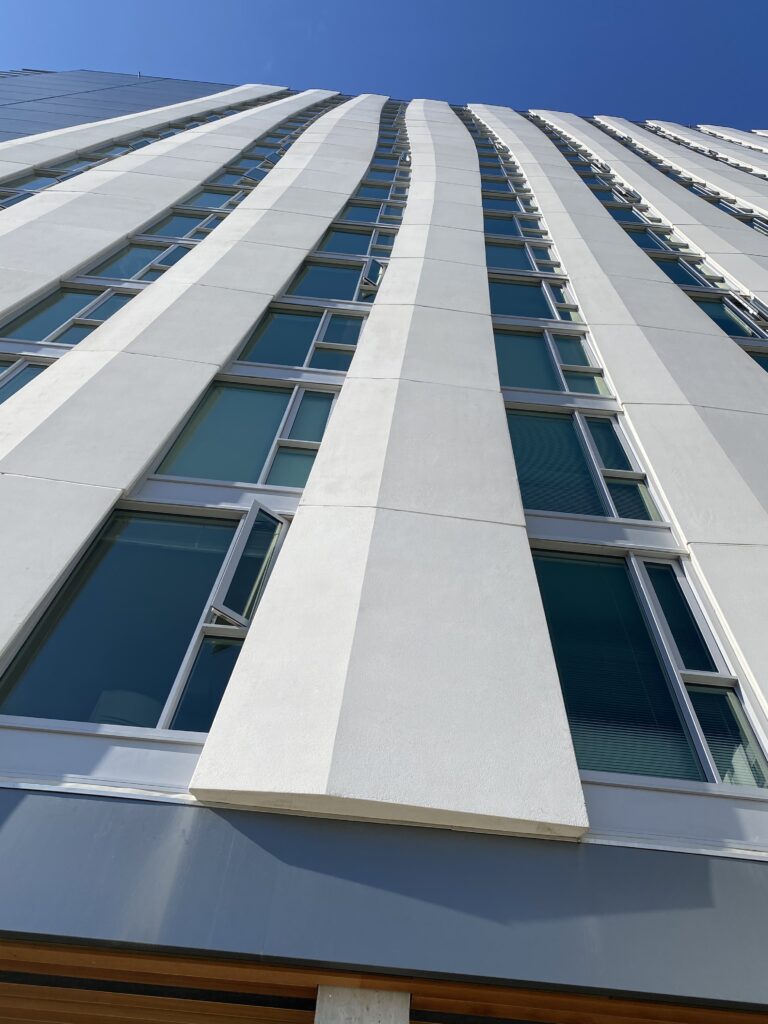
A precast architectural facade can combine durability, dimensional control, finish versatility, and efficient off-site manufacturing. This makes it a strong choice for commercial, institutional, residential, and public-sector projects. APS Precast supports these applications through architectural precast solutions, precast concrete wall panels, and broader structural precast systems.
Architectural facade design considerations
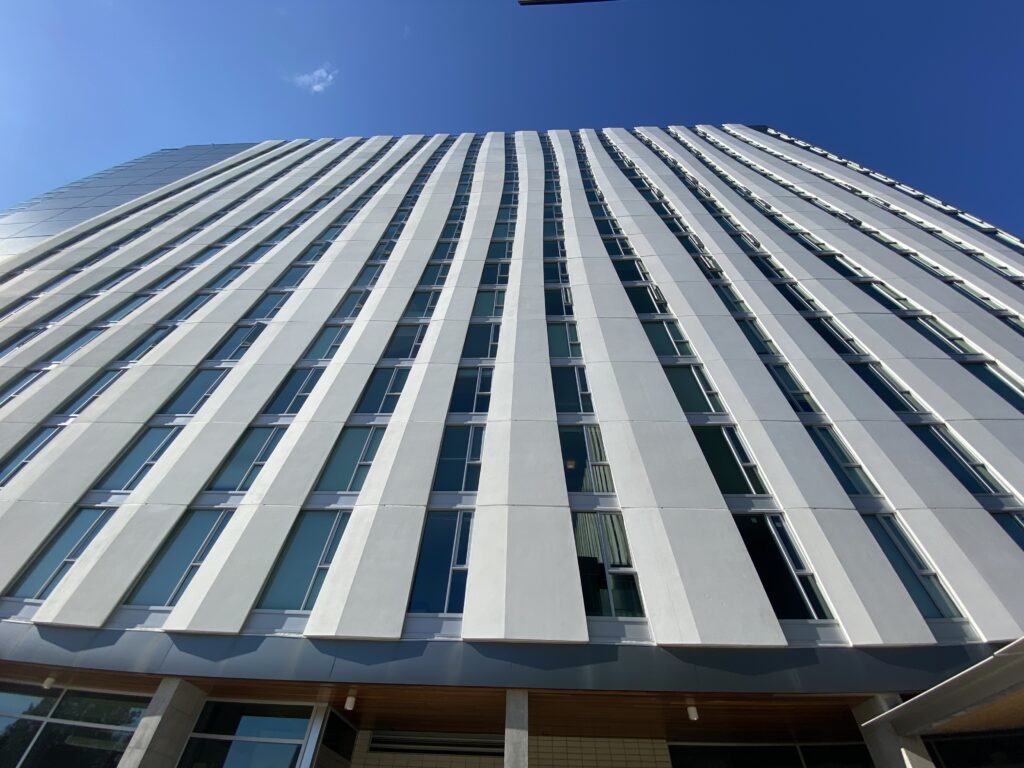
Building function and use
The performance requirements of an architectural facade will vary by project type. A hospital, multifamily building, office, school, or infrastructure-related structure may all require a different balance of appearance, resilience, fire performance, and maintenance access.
Climate and environmental exposure
Local conditions such as rain, wind, freeze-thaw cycles, and temperature swings should guide facade design. This is especially important when evaluating projects across different markets, including Washington State, Seattle, and Tacoma.
Installation and schedule
Panelized facade systems can improve project sequencing by reducing some on-site labor and weather exposure. Controlled manufacturing can also improve quality consistency and shorten installation windows compared with more site-dependent exterior systems.
Maintenance and long-term value
The best architectural facade is not only visually strong on day one. It should also perform over the full service life of the building. Material durability, surface performance, repair access, and long-term maintenance all matter during early facade planning.
Advanced architectural facade concepts
Double skin architectural facade
A double skin architectural facade uses two exterior layers with an air cavity between them. This can support improved thermal control, acoustic management, and ventilation strategies on some projects.
Curved architectural facade
A curved architectural facade is often used in landmark or design-forward buildings. These systems usually require more custom detailing and manufacturing control. To see how custom precast can support unique geometry, review our projects page.
Perforated architectural facade
A perforated architectural facade may be used for shading, screening, privacy, or decorative layering. It can add visual depth while still supporting practical performance goals.
Adaptive architectural facade
An adaptive architectural facade responds to environmental conditions such as sunlight, heat, or airflow. These systems are often discussed in higher-performance building design where comfort and energy efficiency are priorities.
How precast concrete supports an architectural facade
Precast concrete is a strong material option when a project needs appearance, durability, and manufacturing precision. A precast architectural facade can be produced with custom textures, colors, reveals, and shapes while supporting consistent quality control in a plant environment.
Key precast advantages include:
• custom architectural finishes
• repeatable quality control
• durable exterior performance
• faster installation potential
• integration with structural systems
For broader industry guidance on precast design and performance, teams often review standards and technical resources from the Precast/Prestressed Concrete Institute (PCI).
If you want to compare facade-related solutions in more detail, review our architectural precast concrete products, precast concrete wall panels, and contact page for project discussions.
Architectural facade examples and project inspiration
Real-world examples can help owners, architects, and builders evaluate what is possible with a precast architectural facade. APS Precast has completed exterior precast work across a range of building types and markets. To explore relevant applications, visit our project portfolio or review a featured example such as the Vancouver Public Library project.
FAQ about architectural facade
What is an architectural facade?
An architectural facade is the visible exterior face of a building. It influences appearance, weather protection, and overall building performance.
Why is an architectural facade important?
An architectural facade matters because it affects aesthetics, durability, maintenance, and envelope performance. It also plays a role in occupant comfort and long-term value.
Is precast concrete good for an architectural facade?
Yes. Precast concrete can be an excellent material for an architectural facade because it offers durability, finish versatility, quality control, and efficient installation.
What is the difference between architectural facade and structural facade components?
An architectural facade is focused on the visible exterior expression and performance of the building envelope, while structural components are primarily designed to carry loads. In some projects, precast systems can support both functions together.
The Facade Risk-Mitigation
Checklist: 22 Questions
To Ask Before You Specify
A decision-stage tool for Architects, GCs, and Owners. Uncover hidden costs, prevent schedule delays, and evaluate facade systems across four critical dimensions.
Don’t wait until the Tender stage to discover your facade design is over budget. Send the APS Precast engineering team your early-stage drawings. We will identify cost-saving opportunities, flag structural conflicts, and provide a realistic budget.
Conclusion: choosing the right architectural facade
The right architectural facade should support both design goals and building performance. Glass, brick, metal, stone, and precast concrete all offer different advantages, but the right system depends on climate, use, maintenance expectations, and installation strategy.
For projects that require durable, customizable, and performance-focused exterior systems, APS Precast offers solutions across architectural precast, structural precast, and wall panel applications. If you are planning a new project, visit our Contact Us page to start the conversation.